How to Buy a House in Ghana Legally
Step-by-Step Guide: Acquiring a House in Ghana - Key Advice and Insights for Property Buyers
Buying a property in Ghana necessitates meticulous planning and awareness of the local market. Prospective buyers must consider various factors, including available funds, property searches, and legal obligations. Collaborating with real estate professionals can expedite the procedure. However, many miss crucial aspects of due diligence that could affect their investment. Grasping these nuances can make all the difference in a successful purchase. What essential steps should every buyer be aware of?
Understanding the Ghana's Real Estate Market
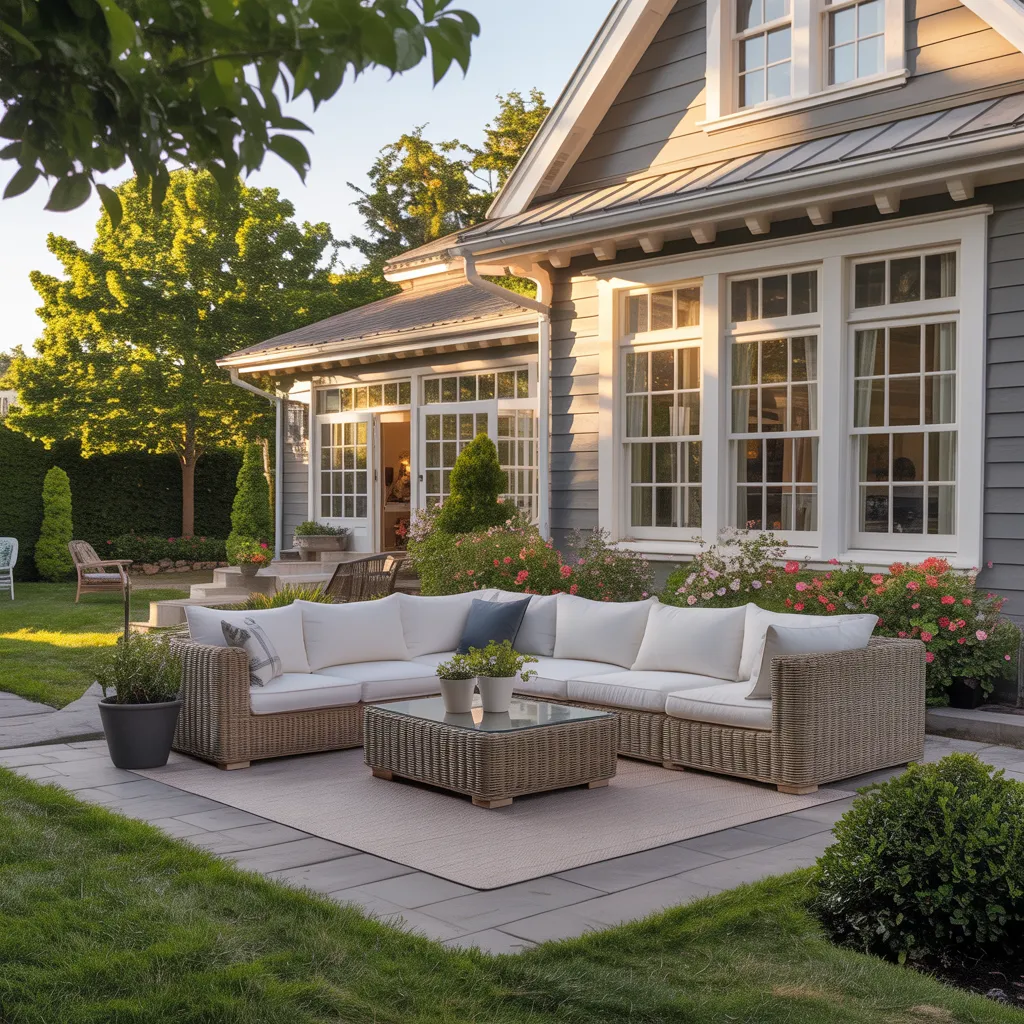
The real estate sector in Ghana showcases a dynamic setting molded by multiple economic and social considerations. Swift urban development and demographic expansion have significantly heightened housing demand, particularly in major cities like Accra and Kumasi. Furthermore, an expanding middle class has driven a change in buyer preferences toward contemporary facilities and secured residential complexes. The marketplace is marked by a combination of traditional and current housing alternatives, addressing different consumer demands.
International capital has likewise played a crucial part, with foreign nationals looking for real estate in prime areas. However, potential buyers must navigate obstacles including changing home values and varying levels of infrastructure development. Compliance systems can be complicated, often requiring due diligence to ensure compliance. All in all, grasping the subtleties of the Ghanaian real estate landscape is vital for potential property buyers, furnishing them with the insight to make well-educated choices in this thriving sector.
Establishing Your Budget and Funding Choices
Navigating the Ghanaian real estate market demands a comprehensive understanding of budgetary constraints and financing options. Homebuyers must first evaluate their financial situation, taking into account income, savings, and any existing debts. Setting a realistic budget is vital, as it will direct the price range for potential properties.
Funding options in Ghana include conventional bank loans, which typically require a down payment of 10-30%. Additionally, some buyers may consider microfinance organizations or cooperative related resource societies that offer greater flexibility in terms.
It is essential to grasp the borrowing rates and conditions linked to these loans, as they can significantly influence the complete cost of obtaining a home. Prospective homeowners should also examine government property initiatives or programs that might provide assistance. Eventually, a carefully planned budget and informed financing choices can lead to a successful property purchase in Ghana.
Looking for Your Perfect Property
As prospective homebuyers explore the process of searching for their ideal property in Ghana, they must consider various factors that align with their needs and preferences. To begin with, location serves a critical function; it impacts routine transportation, availability of services, and total way of living. Urban areas may offer convenience, while rural settings can provide tranquility.
After this, potential buyers should consider property types, including standalone residences, apartments, or lots for future development. Each option has different strengths and downsides that align with different lifestyles and budgets.
In addition, would-be homeowners should research market trends in their target areas, as property values can vary. Hiring local real estate agents can provide valuable information and streamline the search process. Ultimately, it is vital to compile a list of must-haves, such as the number of bedrooms or outdoor space, to properly filter options and find a property that truly satisfies their expectations.
Legal Due Diligence and Key Considerations
Managing the legal landscape is crucial for anyone considering purchasing a property in Ghana. Home purchasers must first verify that the property has a clear title, free from disputes or encumbrances. Engaging a qualified lawyer experienced in Ghanaian property law is advisable to conduct due diligence, which includes validating ownership and evaluating any existing liabilities.
Buyers should also check for required permits and adherence to local regulations, including zoning laws. This process could require obtaining a land title certificate from the Lands Commission, which functions as proof of ownership.
Furthermore, purchasers should be wary of fraudulent practices. Carrying out a detailed background check on the seller can lessen hazards. Understanding the terms of any sale agreement is critical, as it details obligations and rights for both parties. All in all, diligent legal scrutiny aids in enabling a effortless transaction and shields the buyer's investment in the long run.
Closing the Deal and Transitioning In
After legal matters are addressed, the next step entails finalizing the purchase and preparing for the move. Buyers should guarantee that all financial commitments, such as the down payment and closing costs, are finalized with the seller. It is important to obtain a copy of the signed sales agreement and to confirm that the title deed is transferred correctly into the buyer's name.
Furthermore, buyers should schedule a final walkthrough of the property to ensure that it is in the mutually agreed-upon condition. Once everything is completed, homeowners can start planning their move. This includes engaging a reputable moving company, setting up utilities to be activated, and informing relevant parties about the new address.
In conclusion, creating a timeline for moving in can help promote a smooth move into the new home, confirming that all essential preparations are accomplished efficiently.
Frequently Asked Questions
What Are the Most Common Property Types in Ghana?
In Ghana, standard property types include single-family homes, apartments, townhouses, and commercial properties. Furthermore, luxury estates and land parcels for development are growing increasingly popular among both local and foreign buyers pursuing investment opportunities.
What Is the Typical Duration of the House Buying Process?
The house purchasing journey in Ghana usually takes between 2 to 6 months. This timeframe differs based on elements including property type, financial arrangements, and the speed of legal and administrative procedures involved.
Do Property Taxes Exist for Homeowners in Ghana?
Homeowners in Ghana are indeed subject to property taxes. The tax rates vary based on the property's location and value. Understanding these obligations and budgeting properly for these costs is vital for homeowners.
Can Foreign Nationals Purchase Property in Ghana?
Foreign nationals are able to purchase property in Ghana, usually through leasehold agreements lasting up to 99 years. Nevertheless, they must comply with specific regulations and may require approval from the government for particular property dealings.
What Are the Standard Maintenance Expenses for Homes in Ghana?
Standard maintenance expenditures for homes in Ghana fluctuate, generally ranging from 1% to 3% of the property's value annually. Expenditures include fixing issues, utilities, landscaping, and occasional renovations, impacting overall homeownership budgets notably.